
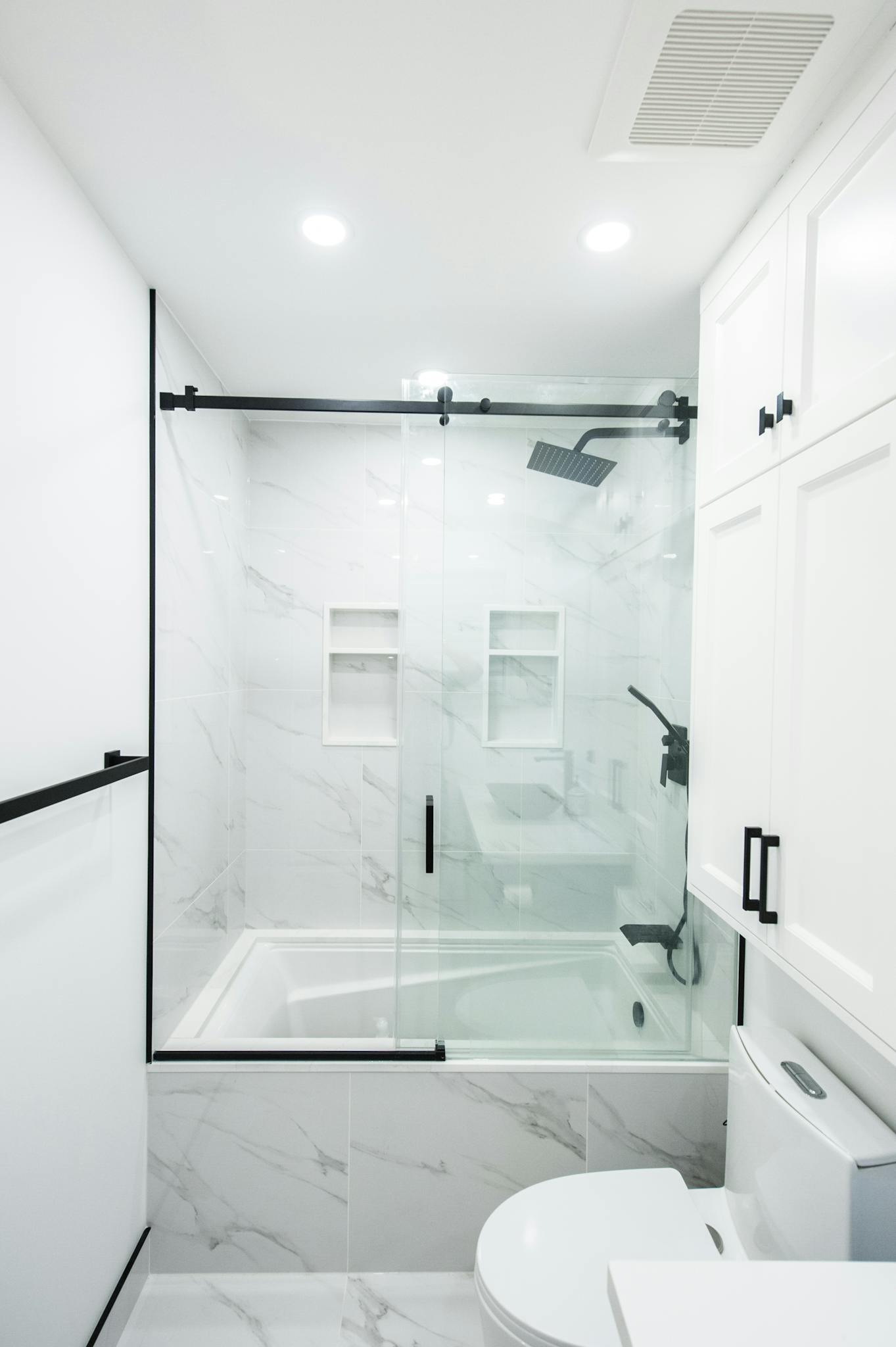
Safer Bathroom Grab Bars Without the Hospital Look
If you’re beginning to think about making your home easier to navigate as you age, or helping your parents stay safely and comfortably in their own home, the bathroom is often the first place families start.
Bathrooms combine hard surfaces, water, slippery flooring, low seating, and tight spaces. Even healthy younger adults sometimes find themselves reaching for the counter, towel bar, or shower wall for balance without realizing it.
The good news is that bathroom safety products have changed dramatically in recent years.
Today’s grab bars are no longer limited to the institutional stainless-steel rails many people picture from hospitals or public restrooms. Modern options can blend beautifully into your home while still providing real support when it matters most.
At Homegevity, we believe safety upgrades should support independence without making your home feel cold, medical, or unwelcoming.
Where Grab Bars Help Most
Most slips and falls happen during transitions, not while standing still.
Common trouble spots include:
- Stepping into or out of the shower
- Getting up from the toilet
- Standing on wet floors
- Lowering into a bathtub
- Recovering balance after a slip
These moments often require a combination of balance, leg strength, hand grip and leverage. A properly installed grab bar provides a stable point of support exactly where it’s needed.
Modern Grab Bars Can Look Surprisingly Good
One reason many families delay adding grab bars is aesthetics.
People worry:
- “I don’t want my bathroom to look like a hospital.”
- “We just remodeled.”
- “Mom would never agree to that.”
Fortunately, today’s grab bars come in styles and finishes that feel much more like upscale bathroom fixtures than medical equipment.
Mistakes Families Make
One of the most common mistakes is assuming towel bars or suction handles can safely support body weight.
They cannot.
A towel bar is designed to hold towels, not provide leverage during a slip or fall. Even expensive towel bars are typically anchored differently than true safety hardware.
Suction cup grab bars are also risky. They may loosen over time due to humidity, steam, textured tile, or small movements that weaken the seal.
If someone is relying on a grab bar for balance, stability, or standing support, it should be securely installed and rated for body weight support.
What Makes a Grab Bar Safe?
Grip Size
Most people are most comfortable with bars around 1.25 to 1.5 inches in diameter. This allows for a more natural grip, especially for individuals with arthritis or reduced hand strength.
Secure Installation
The mounting behind the wall is very important. Properly installed grab bars should be securely anchored into wall studs or reinforced backing.
Weight Capacity
Most quality grab bars are designed to support at least 250 pounds, with many premium models rated higher.
Surface Texture
Highly polished bars can become slippery when wet. Many people prefer textured finishes for improved grip.
Choosing the Right Grab Bar Material and Grip Style
Not all grab bars perform equally well in real-world bathroom conditions.
Some finishes look beautiful in photos but become surprisingly slick with wet or soapy hands. Others are designed specifically to improve grip, stability, and confidence for people with arthritis, reduced hand strength, balance concerns, or mobility changes.
This is one area where appearance should never be the only deciding factor.
Grab Bar Material and Grip Comparison
Chrome
Grip level: Low
Best for: Decorative, lower-risk bathrooms
Important consideration: Smooth polished chrome can become very slippery when wet and is usually not our recommendation for aging-in-place bathrooms.
Powder-Coated
Grip level: Low to Medium
Best for: Modern bathrooms needing color coordination
Important consideration: Grip varies widely depending on texture. Smoother finishes may still feel slick with wet hands.
Brushed Stainless Steel
Grip level: Medium
Best for: Most residential bathrooms
Important consideration: A practical balance of durability, appearance, and improved grip compared to polished finishes.
Peened Finish
Grip level: Medium to High
Best for: Showers and wet environments
Important consideration: The textured surface provides noticeably better traction without feeling overly aggressive.
Knurled Grip
Grip level: High
Best for: Significant balance or grip challenges
Important consideration: Provides excellent traction, but the texture may feel rough on sensitive or fragile skin.
Ergonomic or Ribbed Grip Styles
Grip level: High
Best for: Arthritis, weak grip strength, or higher fall risk
Important consideration: Easier to hold securely with wet hands and often more comfortable during transfers.
Vinyl-Coated
Grip level: High
Best for: Sensitive skin or colder bathrooms
Important consideration: Warm, less slippery feel that many older adults find more comfortable.
Nylon-Coated
Grip level: High
Best for: High-use bathrooms
Important consideration: Durable, warm to the touch, and provides reliable grip in wet conditions.
Why Grip Matters More Than Most People Expect
Bathrooms combine several fall-risk factors at the same time, often when people are tired, rushing, distracted, or getting up during the night.
- water
- soap residue
- bare feet
- slippery flooring
- reduced balance
- fatigue
- rushing
- nighttime trips
In those moments, grip matters. Many people do not realize how slippery a grab bar feels until they try to steady themselves during an actual slip.
A grab bar that feels slightly slick during normal use may feel much more slippery during a sudden loss of balance.
That is why we typically encourage families to prioritize:
- textured finishes
- warmer-touch materials
- ergonomic grip styles
- bars designed specifically for wet environments
rather than choosing purely based on appearance.
Maximum texture is not always the best solution. The right grab bar balances traction, comfort, skin sensitivity, ease of cleaning, and the user’s real-world stability needs.
Why Visual Contrast Matters
While many homeowners want grab bars to blend into the bathroom design, too much camouflage can sometimes reduce safety.
In real-world use, people often need to locate a grab bar quickly:
- during a slip
- stepping into a wet shower
- getting up at night
- when vision is reduced by steam, fatigue, or aging eyes
Grab bars that contrast with the surrounding wall or tile are often easier to spot quickly when support is needed most.
That does not mean your bathroom needs to look clinical. Many modern grab bars balance attractive design with enough visual contrast to remain easy to identify in everyday use.
For example:
- matte black bars against lighter tile
- brushed stainless against solid white walls
- darker finishes in light-colored showers
can provide both style and improved visibility.
Are Decorative Grab Bars Still Safe?
Yes. Many modern grab bars combine attractive finishes with strong safety ratings and improved grip surfaces.
Today’s aging-in-place products no longer need to look institutional to work well.
What We Often Recommend Most
For many homes, lightly textured finishes such as:
- brushed stainless steel
- peened finishes
- ergonomic grip styles
- vinyl-coated bars
often provide one of the best balances of:
- safety
- comfort
- appearance
- durability
- ease of cleaning
The safest grab bar is one that balances secure grip, comfort, durability, and a person’s willingness to use it consistently in everyday life.
Common Bathroom Grab Bar Questions
What type of grab bars work best for arthritis?
People with arthritis often prefer grab bars with a slightly textured surface and a comfortable grip size that allows the hand to wrap around naturally. Bars that are too large can be harder to hold comfortably.
Where should grab bars be installed in the bathroom?
The most helpful locations are usually:
- At the shower or tub entrance
- Along the shower wall
- Beside the toilet
- Near areas where balance support is commonly needed
Placement should match how the person actually moves through the space.
Can grab bars be installed without wall studs?
Sometimes, yes. Specialized mounting systems exist for certain situations, but direct stud mounting or reinforced backing is normally the safest and most reliable option.
What weight capacity should grab bars have?
Most residential grab bars should support at least 250 pounds. Some modern bars exceed this standard and may support 300 to 500 pounds depending on installation.
What is the difference between a grab bar and a towel bar?
A towel bar is designed to hold towels. A grab bar is engineered and installed to support body weight and prevent falls.
Even sturdy-looking towel bars should not be relied on for balance or leverage.
Should grab bars be horizontal, vertical, or angled?
Different grab bar styles and orientations serve different purposes:
- Horizontal bars help with steady support and standing transitions
- Vertical bars are helpful at shower entrances
- Angled bars may assist people of different heights
The best choice depends on the layout and the person using the bathroom.
How much does grab bar installation cost?
Professional installation commonly ranges from around $100 to $400 per bar depending on wall materials, tile, reinforcement needs, and the complexity of the installation.
Are suction cup grab bars safe?
Suction grab bars should not be trusted for full body-weight support. They may detach unexpectedly and are best viewed as temporary assist devices rather than true safety equipment.
Can grab bars be installed over tile?
Yes. Professional installers can drill through tile using specialized tools designed to avoid cracking the surface.
How many grab bars does a bathroom need?
There is no universal number. Many bathrooms benefit from:
- One near the shower entrance
- One inside the shower
- One near the toilet
The right setup depends on the person’s mobility, balance, strength, and bathroom layout.
Are decorative grab bars as safe as standard ones?
They can be as long as they are properly rated and professionally installed. Many modern decorative grab bars meet the same safety standards as more clinical-looking models.
Can I install grab bars myself?
Some experienced homeowners can install grab bars safely, especially when mounting directly into studs. However, because grab bars are an important safety feature, many families prefer professional installation for added peace of mind.
Start Before It Feels Urgent
One of the best times to make bathroom safety updates is before they become absolutely necessary.
Many families wait until:
- A hospitalization
- Surgery recovery
- A fall scare
- Increasing balance concerns
Small updates made early can help a home remain comfortable, supportive, and easier to navigate for years to come.
And importantly, thoughtful safety upgrades can often be added without sacrificing the warmth and style that make a house feel like home.