
When considering seniors aging in place, one factor that is usually far less considered but certainly no less important is getting safer flooring and tiles to prevent fall risk. Several factors can influence what makes a floor safe for seniors such as materials, slip resistance, color, grout, and safety ratings. Considering these can result in a far lowered risk of falling and a far safer home overall.
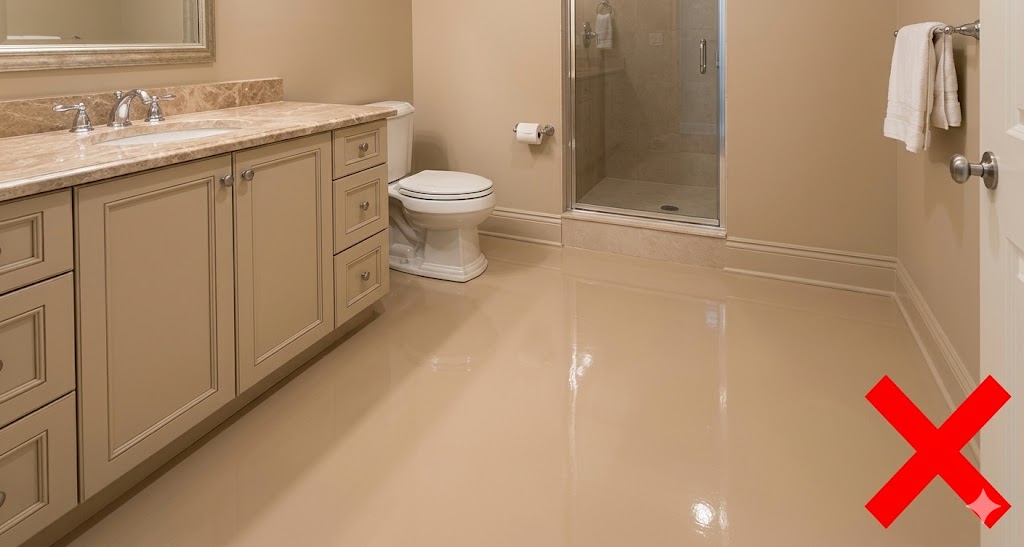
Choosing the Correct Materials: When picking flooring to prevent falls, the grip matters more than anything. Don’t use, high-gloss hardwood which can be dangerously slick, especially for anyone walking in socks. Instead, use Luxury Vinyl Plank (LVP) with a textured finish or a matte engineered wood. Both offer great traction for walkers and a slightly softer landing than stone.
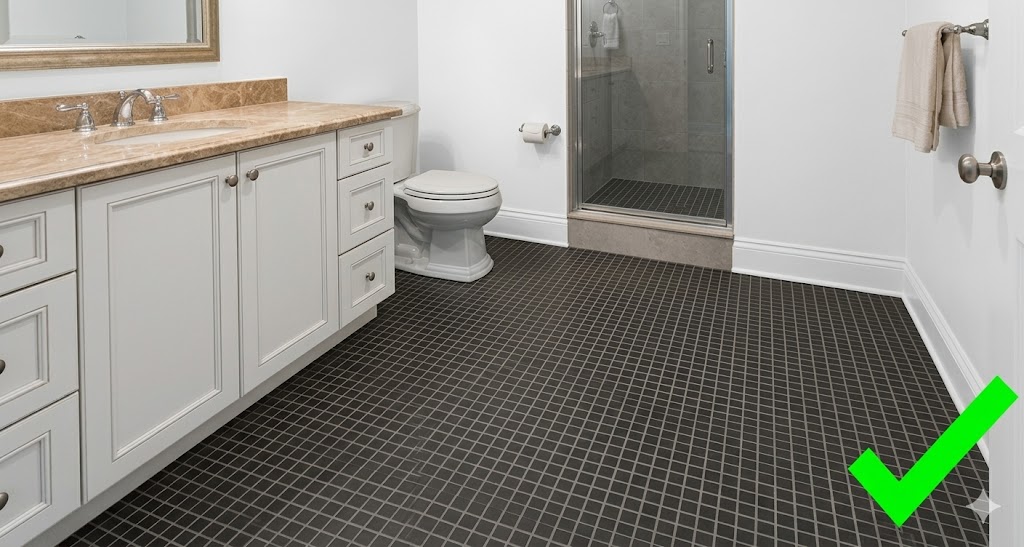
Slip Resistance: In wet spots like the bathroom, small, unglazed tiles the best fit. Because the tiles are small, you get a lot of grout lines, which act like a built-in, non-slip grid underfoot.
Color: You might not think of color as a safety feature, but the difference it makes can be paramount. Aging eyes often struggle with depth perception, making it hard to tell where the floor ends and a step or wall begins. Picking a floor color that clearly contrasts with your walls and baseboards helps seniors easily navigate the room and avoid tripping over thresholds.
Grout: In wet spots like the bathroom, small, unglazed tiles are your best bet, because smaller tiles mean you get a much higher volume of grout lines. All those extra lines naturally act like a built-in, non-slip grid underfoot, giving wet, bare feet the traction they need to stay securely planted.
Safety Ratings: Look for a floor’s Coefficient of Friction (COF) rating before you buy. You want a COF of 0.6 or higher, which is the industry standard for guaranteeing a reliable grip and ensuring the surface won’t turn into a slipping hazard the moment it gets slightly damp.
Frequently Asked Questions:
Should I remove bathroom rugs and mats?: Yes, remove them. Traditional loose rugs, and even taped-down mats, are major tripping hazards for walkers and shuffling feet. It is much safer to eliminate rugs altogether and install proper low-maintenance, non-slip flooring in the bathroom.
What shower features help prevent slips and falls?: The best combination for safety is a curbless (zero-threshold) entry, a sturdy shower chair, and securely mounted grab bars. Pairing those with an easy-to-reach handheld showerhead and a highly textured floor makes bathing significantly safer and more comfortable.
What COF rating do I need for bathroom tile?: Look for a floor’s Coefficient of Friction (COF) rating before you buy. You want a minimum COF of 0.6 wet or dry to guarantee a reliable grip and ensure the surface won’t turn into a slipping hazard when damp.
What is the safest flooring for a senior bathroom?: Small, unglazed porcelain or ceramic tiles are generally the safest choice for wet areas. Because the tiles are small, they require a lot of grout lines, which naturally create a built-in, non-slip grid under bare feet.
How do I handle floor transitions between rooms?: Keep transitions as flat as possible to prevent tripping and to allow walkers or wheelchairs to roll smoothly. If there is a slight height difference between rooms, install a low-profile, color-contrasting transition strip or a mini-ramp so the change in height is easy to see and navigate.
Can I add non-slip strips to existing tile?: Yes, Clear, adhesive non-slip treads or liquid anti-slip floor treatments can be applied directly over your existing tile. It is a quick, budget-friendly way to instantly boost traction without having to tear up the entire bathroom.
What color flooring is safest for seniors?: Matte, solid colors or simple, subtle patterns that strongly contrast with your baseboards and walls are the safest. Avoid overly busy patterns, high-gloss finishes, or dark, swirling spots, as aging eyes might confuse them with steps, shadows, or holes.
How slippery are tile floors when wet?: Standard, large, glossy tiles can become dangerously slick when wet. That is why it is absolutely critical to only use matte, textured, or highly grouted tiles in a bathroom to guarantee your feet always have something to grip.
Are grout lines a tripping hazard?: No, In fact, grout lines are a huge safety benefit. As long as the tile is installed evenly, the slight dip and texture of the grout lines provide much-needed friction to prevent slipping.
Is luxury vinyl plank or porcelain tile better for seniors?: Both are excellent, but they serve different needs. Small porcelain tile with plenty of grout is unmatched for extremely wet areas like inside the shower. However, textured Luxury Vinyl Plank (LVP) is often preferred for the main bathroom floor and the rest of the house because it offers great grip, warmth, and a slightly softer, more forgiving landing if a fall does happen.